
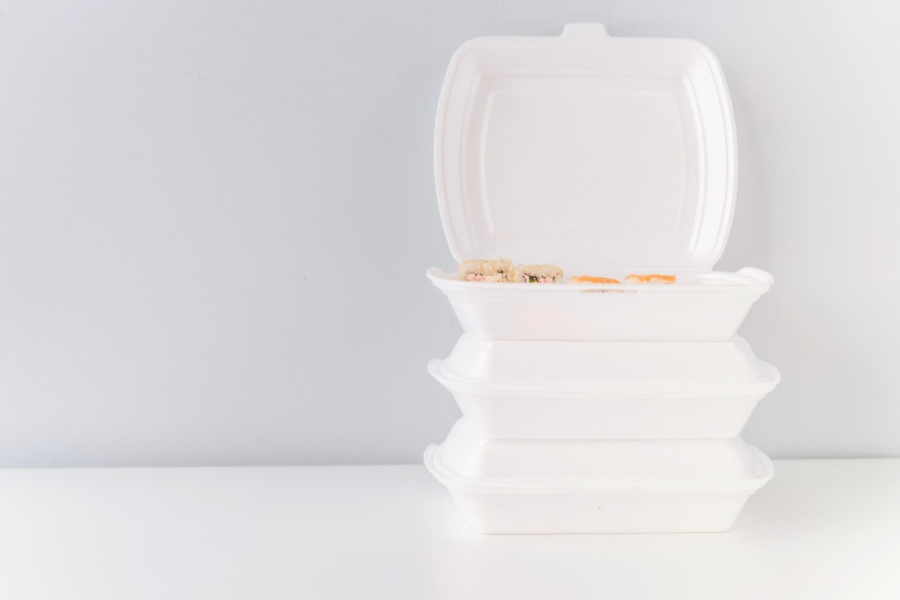
Styrofoam containers are everywhere. They hold takeout meals, leftovers, and hot drinks. Many people place them straight into the microwave without thinking twice. This raises an important question: is styrofoam microwave safe?
This topic creates confusion because the answer is not a simple yes or no. Some Styrofoam containers may handle microwave heat under specific conditions. Most cannot. The difference depends on material type, labeling, temperature, and food content.
This guide explains everything you need to know. You will learn how Styrofoam reacts to microwave heat, when it may be used, when it should never be used, and what safer options exist. By the end, you will know exactly how to reheat food without unnecessary risk.
What Styrofoam Really Is and Why It Matters
Styrofoam is often used as a general name for foam food containers. In reality, most food containers labeled “Styrofoam” are made from expanded polystyrene. This material is lightweight and filled with air pockets.
The air inside the foam makes it a good insulator. That is why it keeps food warm and drinks cold. However, this same structure makes it sensitive to high heat.
Polystyrene begins to soften when heated beyond its comfort range. Microwaves heat food unevenly. Some areas become much hotter than others. This creates stress on foam containers.
Another critical point is that Styrofoam is not designed for cooking. It is designed for short-term food holding. Using it outside its intended purpose increases the chance of melting or warping.
Understanding what Styrofoam is helps explain why microwave safety is inconsistent. The material itself is not heat-resistant. Safety depends on how it is processed and labeled.
Is Styrofoam Microwave Safe by Default
Many people assume Styrofoam is microwave safe because it holds hot food. This assumption is incorrect. Holding hot food and reheating food are very different situations.
Microwaves heat food internally. Steam builds up. Oils can reach high temperatures. This combination can weaken foam quickly.
In general, Styrofoam is not microwave-safe unless it is clearly labeled as such. Most disposable foam containers do not meet this standard.
Unlabeled containers may soften, release odors, or lose shape when heated. Some may collapse entirely. This creates spills and uneven heating.
The safest rule is simple. If a Styrofoam container does not state microwave safe, do not microwave it. This applies even if you have done it before without visible damage.
Microwave safety depends on tested conditions. Guessing puts food quality and safety at risk.
Understanding Microwave Safe Labels on Styrofoam
Microwave safe labeling exists for a reason. Containers with this label have been tested to withstand microwave heat without melting or releasing harmful substances.
A microwave-safe symbol usually appears on the bottom of the container. It may look like wavy lines or include the words microwave safe.
This label does not mean unlimited use. It means the container can handle brief reheating under normal conditions. It does not mean cooking or reheating for long periods.
Even microwave-safe Styrofoam has limits. Very high temperatures, greasy foods, or repeated heating can still cause damage over time.
If a container has no label, treat it as unsafe. Many takeout containers are made for convenience, not reheating.
Reading labels carefully is one of the most reliable ways to decide if Styrofoam microwave use is acceptable.
How Heat Affects Styrofoam in the Microwave
Microwaves heat food unevenly. Some areas heat rapidly while others remain cooler. Styrofoam reacts poorly to these conditions.
As the food heats, steam forms inside the container. Steam increases internal pressure. Styrofoam walls may weaken or warp under this stress.
Oily foods create another issue. Oil heats faster than water. Hot oil can raise the container temperature beyond safe limits.
When Styrofoam softens, it may lose its shape. In severe cases, it can melt slightly or stick to food.
Even if melting is not visible, structural weakening can occur. This increases the risk of spills when removing the container.
Understanding how heat interacts with Styrofoam explains why microwave safety varies so widely from one situation to another.
Health Concerns Linked to Microwaving Styrofoam
Health concerns are a major reason people ask whether Styrofoam is microwave-safe. Polystyrene contains compounds used during manufacturing.
When exposed to high heat, small amounts of these compounds may migrate into food. This risk increases when containers are overheated or damaged.
Scientific reviews show that regular use within safety guidelines presents low risk. Problems arise when containers are misused.
Old, cracked, or heavily scratched Styrofoam containers are more likely to release substances when heated.
This does not mean panic is necessary. It means smart use matters. Avoid reheating food directly in unlabeled foam containers.
Using proper containers reduces exposure concerns and protects food quality.
When Styrofoam Should Never Go in the Microwave
There are situations where Styrofoam should never be microwaved. These rules are firm and should not be ignored.
Do not microwave Styrofoam if it holds very hot or oily food. Oil can overheat quickly, causing the container.
Do not microwave Styrofoam that does not have a microwave-safe label. This includes most takeout boxes and foam cups.
Do not microwave Styrofoam for long durations. Extended heating increases breakdown risk.
Do not microwave damaged or old foam containers. Cracks and dents weaken the structure.
Do not microwave Styrofoam that smells odd or looks warped before heating.
Following these rules eliminates most problems linked to Styrofoam microwave use.
Safer Alternatives to Styrofoam for Microwaving
If you want peace of mind, switching to a different container is the best solution. Several materials perform better in the microwave.
Glass containers are one of the safest options. They heat evenly and do not react with food.
Ceramic dishes also work well. They handle heat reliably and are easy to clean.
Microwave-safe plastic containers designed for reheating are another option. These are tested for heat tolerance.
Using these materials removes guesswork. You no longer need to question whether styrofoam is microwave-safe in a specific situation.
Transferring food takes seconds. It prevents spills, improves heating, and protects food quality.
For daily use, safer containers are a simple upgrade with long term benefits.
Common Myths About Styrofoam Microwave Safety
Many myths surround Styrofoam microwave use. These myths lead to unsafe habits.
One myth is that if it held hot food, it can be reheated. This is false. Initial heat exposure does not equal microwave safety.
Another myth is that brief heating is always safe. Even short heating can damage foam if food is oily or very hot.
Some believe visible melting is the only problem. In reality, weakening can occur without visible signs.
Another myth is that all foam containers are the same. Different manufacturers use different formulations.
Understanding these myths helps people make better decisions and avoid unnecessary risk.
Final Verdict:
So, is styrofoam microwave safe? The honest answer depends on labeling and use.
Styrofoam is not microwave safe by default. Only containers clearly marked microwave safe should ever be used, and even then, with caution.
Unlabeled foam containers should never be microwaved. Heat, steam, and oil can damage the material and affect food quality.
Health concerns increase when containers are misused or overheated. Smart choices reduce these risks significantly.
The safest habit is simple. Transfer food to a glass or ceramic before reheating. This removes doubt and improves results.
After decades of kitchen safety writing, this advice stands firm. Convenience should never outweigh safety. Make informed choices, and your microwave use will always stay on the safe side.