
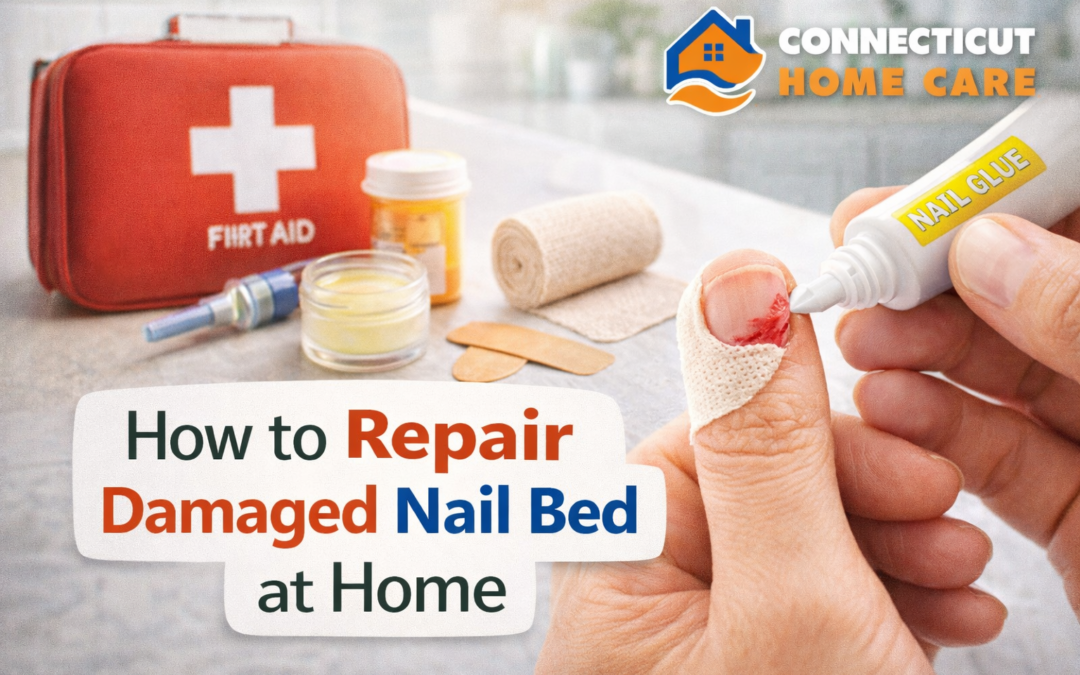
A damaged nail bed can be painful, frustrating, and slow to heal, especially when everyday tasks put pressure on your fingers or toes. Knowing how to repair damaged nail bed at home helps you protect the injury, prevent infection, and support healthy nail regrowth without panic.
Many nail bed injuries are minor and respond well to proper home care when handled early and correctly. In this guide, you will learn step by step techniques, safety precautions, and healing strategies that focus on comfort and recovery.
By following the right approach, you can reduce pain, avoid complications, and help your nail grow back smoothly over time.
Understanding Nail Bed Damage and Healing Basics
When you damage your nail bed, the soft tissue beneath the nail becomes irritated or injured, which can affect how the nail grows back. The nail bed supplies nutrients and structure to the nail plate, so protecting it during healing is essential. Minor injuries often occur from bumps, crushing, trimming accidents, or repeated pressure from shoes or tools.
Healing depends on keeping the area clean, protected, and free from additional trauma. Fingernails typically take several months to regrow, while toenails can take significantly longer due to slower growth. During this time, your goal is to support tissue repair while preventing infection or further separation of the nail.
You should understand that once a nail separates from the nail bed, it cannot reattach, and regrowth happens gradually. Patience combined with consistent care improves the final appearance and strength of the new nail. With the right home approach, you can encourage smoother regrowth and reduce long-term nail problems.
Assessing Whether Home Treatment Is Appropriate
Not every nail bed injury should be treated at home, so assessing severity is your first step. Minor injuries typically involve tenderness, mild bleeding, slight discoloration, or partial nail lifting without severe pain. If bleeding stops quickly and pain is manageable, home care is often sufficient.
You should seek medical attention if pain is intense, bleeding does not stop, or the nail is completely torn off. Injuries with visible deformity, pus, or spreading redness require professional evaluation. Conditions like diabetes or poor circulation also increase the risk of complications and may require medical oversight.
For mild injuries, home care focuses on cleanliness, protection, and monitoring. Paying attention to warning signs allows you to act early if healing does not progress as expected. A careful assessment helps you choose the safest path forward without unnecessary risk.
Cleaning and Preparing the Damaged Nail Bed
Proper cleaning is critical when learning how to repair damaged nail bed at home. You should begin by washing your hands thoroughly to prevent introducing bacteria. Gently rinse the injured area with clean water and mild, fragrance-free soap to remove debris and dried blood.
Avoid harsh antiseptics that can irritate healing tissue and delay recovery. Pat the area dry using a clean towel, making sure no moisture remains trapped under the nail. If there are sharp or jagged nail edges, carefully trim them to prevent further tearing.
Keeping the nail bed clean reduces infection risk and promotes healthy tissue repair. You should repeat gentle cleaning daily or whenever the area becomes dirty. Consistency in hygiene plays a major role in preventing complications during healing.
Managing Pain, Swelling, and Early Discomfort
Pain and swelling are common after nail bed damage, especially during the first few days. Applying a cold compress wrapped in a cloth can reduce inflammation and numb discomfort when used for short intervals. Elevating the injured finger or toe also helps limit swelling and throbbing.
Over-the-counter pain relief may be used if necessary, provided you follow dosage instructions carefully. You should avoid pressure on the nail bed and limit activities that cause repeated contact or friction. Comfortable footwear or protective gloves can reduce accidental impacts.
Managing discomfort effectively allows your body to focus on healing rather than stress responses. Gentle care and patience prevent worsening symptoms during this early stage. Pain control supports better rest and faster recovery overall.
Protecting the Nail Bed While It Heals
Protection is essential to repairing a damaged nail bed at home successfully. After cleaning, apply a thin layer of petroleum jelly to keep the tissue moist and prevent sticking to bandages. Cover the area with a non-stick dressing and secure it loosely to avoid pressure.
You should change the dressing whenever it becomes wet or dirty to maintain a clean environment. Leaving the nail bed exposed too early increases infection risk and sensitivity. Protective coverings act as a barrier while still allowing airflow.
During daily activities, remain mindful of accidental bumps or snags. Using protection consistently helps the nail bed regenerate without interruption. Small precautions make a significant difference in long-term healing quality.
Preventing Infection During Nail Bed Recovery
Infection prevention is one of the most important aspects of home nail bed care. Warm saltwater soaks can be helpful once initial bleeding has stopped, as they soothe tissue and reduce bacterial growth. You should soak the area for short periods and dry it thoroughly afterward.
Watch closely for signs of infection, including increasing redness, warmth, swelling, tenderness, or pus. If these symptoms appear, home care should stop and professional evaluation is necessary. Ignoring early infection signs can lead to prolonged healing or permanent nail damage.
Maintaining clean dressings and avoiding unnecessary touching limits bacterial exposure. Consistent monitoring keeps you in control of the healing process. Prevention remains far easier than treating an established infection.
Supporting Healthy Nail Regrowth Over Time
Nail regrowth is slow, and patience is essential while repairing a damaged nail bed at home. As the new nail grows, keep the area trimmed and protected to avoid catching or tearing. Avoid cosmetic nail products until the nail has fully recovered.
A balanced diet supports tissue repair, and staying hydrated helps overall healing. You should also avoid repeated trauma, such as tight shoes or aggressive nail trimming, which can disrupt regrowth. Gentle handling promotes smoother nail formation.
Monitoring progress over weeks and months allows you to notice improvements or setbacks. Healthy regrowth depends on consistency rather than quick fixes. Supporting your body’s natural healing process yields the best outcome.
Common Mistakes to Avoid During Home Nail Bed Care
Certain mistakes can slow healing or worsen nail bed damage if you are not careful. Cutting the nail too short exposes sensitive tissue and increases infection risk. Peeling off partially attached nails can also cause unnecessary trauma.
Using strong chemicals or excessive antiseptics irritates healing skin and delays tissue repair. Ignoring pain, swelling, or drainage may allow complications to progress unnoticed. You should never force healing through aggressive methods.
Understanding what not to do is just as important as proper care techniques. Avoiding these mistakes keeps healing on track and reduces discomfort. Gentle, informed care produces safer results.
When Home Care Is Not Enough
Despite careful home treatment, some nail bed injuries require medical attention. Persistent pain, worsening swelling, or abnormal nail growth indicate deeper damage. You should also seek help if healing stalls or infection symptoms develop.
Medical care may include drainage, repair of the nail bed, or evaluation for underlying fractures. Professional treatment helps restore proper nail structure when home methods are insufficient. Early intervention often prevents long-term complications.
Knowing when to stop home care protects your health and recovery. Listening to your body ensures you receive appropriate support. Seeking help is a responsible step, not a failure of home treatment.
Conclusion
Learning how to repair damaged nail bed at home allows you to respond calmly and effectively when minor injuries occur. By cleaning the area properly, managing pain, protecting the nail bed, and preventing infection, you support safe and steady healing.
Patience remains essential, as nail regrowth takes time and consistent care. Paying attention to warning signs helps you recognize when professional treatment is needed. With informed home care and mindful protection, you can reduce discomfort, avoid complications, and encourage healthy nail recovery over the long term.