
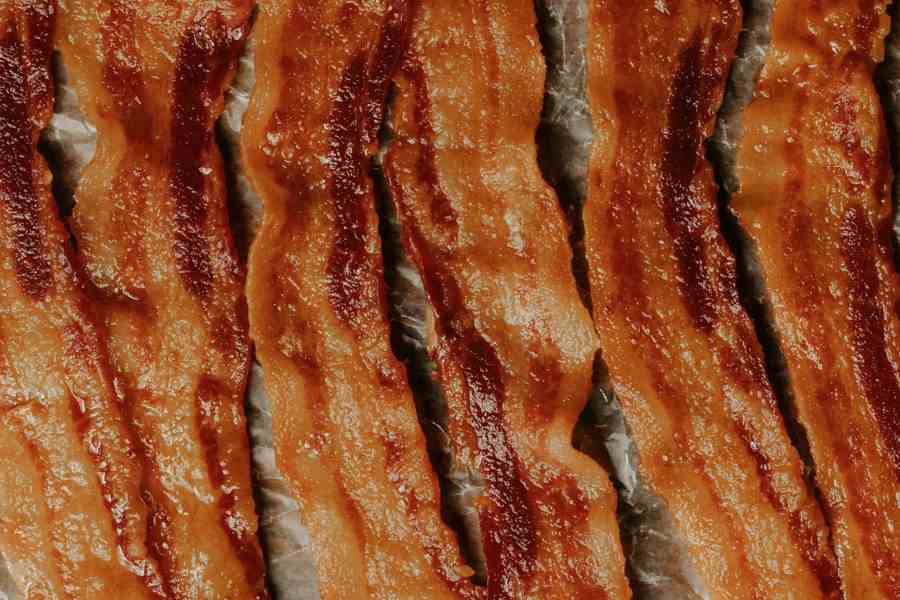
Microwaving bacon is one of the fastest and most practical ways to enjoy crispy, flavorful bacon without the mess of stovetop frying. When done correctly, it produces evenly cooked bacon with less grease, minimal cleanup, and consistent results.
Many people assume microwaving bacon leads to a rubbery texture or uneven cooking. That only happens when the process is rushed or not properly set up. With the proper technique, microwaved bacon can rival pan-fried or oven-baked bacon in both texture and flavor.
This guide explains how to microwave bacon the right way, based on decades of kitchen experience and proven methods. You will learn timing, equipment choices, texture control, safety tips, and common mistakes to avoid. By the end, you will know precisely how to microwave bacon confidently and consistently.
Why Microwaving Bacon Works So Well
Microwaving bacon works because microwave energy heats the water and fat inside the bacon evenly from the inside out. This allows fat to render efficiently while the meat cooks.
Unlike frying, where direct contact with a hot pan can cause uneven browning or splattering, microwaving applies uniform heat. This reduces burned edges and undercooked centers when done correctly.
Another advantage is grease control. When bacon is microwaved between absorbent layers, excess fat drains away instead of pooling around the meat. This leads to a cleaner texture and less greasy finish.
Microwaving bacon is also faster. Most batches cook in under five minutes. Cleanup is minimal, and there is no lingering bacon smell filling the kitchen for hours.
For busy mornings, small households, or anyone who wants bacon without hassle, learning how to microwave bacon correctly is a practical kitchen skill worth mastering.
Choosing the Right Bacon for the Microwave
Not all bacon behaves the same in the microwave. Choosing the right type makes a noticeable difference in results.
Standard-sliced bacon cooks evenly when spaced properly. Thick-cut bacon can also be microwaved, but requires longer cooking times and closer monitoring.
Thin bacon cooks faster but can overcook quickly. It is best for those who prefer very crispy bacon and are comfortable watching closely.
Cured and uncured bacon both microwave well. The difference lies more in flavor than cooking performance. Bacon with higher sugar content may brown faster and needs careful timing.
Avoid bacon with heavy glazes or coatings. These can melt, splatter, and burn before the bacon finishes cooking.
No matter the cut, always fully separate the slices. Overlapping slices trap steam, leading to uneven texture. Choosing quality bacon and arranging it correctly sets the foundation for perfect microwaved results.
Equipment You Need to Microwave Bacon Properly
You do not need special gadgets to microwave bacon, but the right tools improve results and safety.
A microwave-safe plate is essential. Flat plates work well, while ridged plates help fat drain away from the bacon. Either option is effective when paired with absorbent layers.
Paper towels are the most common choice. They absorb grease, reduce splatter, and help crisp the bacon. Use enough layers to cover the bacon above and below fully.
Parchment paper is an alternative that prevents sticking. It works exceptionally well with thick-cut bacon and makes cleanup easier.
Avoid wax paper, foil, or plastic wrap. These are unsafe or ineffective in high-heat microwave cooking.
A pair of tongs helps handle hot bacon safely after cooking.
With just a plate and paper towels or parchment paper, you can microwave bacon safely and efficiently every time.
Step-by-Step Guide on How to Microwave Bacon
Learning how to microwave bacon starts with a simple, repeatable process.
Place two layers of paper towels or parchment paper on a microwave-safe plate.
Lay bacon slices flat in a single layer. Do not overlap them.
Cover the bacon with one or two more layers of paper towels or parchment paper.
Microwave on high power. Start with three minutes for four slices of standard bacon.
Check doneness carefully. If needed, continue cooking in thirty-second increments until the desired texture is reached.
Remove the plate carefully. It will be hot. Transfer the bacon to a fresh paper towel if excess grease remains.
Let the bacon rest for one minute. It will crisp slightly as it cools.
This step-by-step method works across most microwave models and bacon types when adjusted for thickness and wattage.
Timing Guidelines for Perfect Microwave Bacon
Timing is the most important factor when learning how to microwave bacon correctly.
For standard-sliced bacon, expect about 1 minute per slice at high power. Four slices usually take four to five minutes total.
Thin bacon may be ready in three minutes. Thick-cut bacon can take six to eight minutes, depending on thickness and microwave wattage.
Always start with less time. Bacon cooks fast and continues crisping after the microwave stops. Overcooking happens quickly.
Microwave wattage varies widely. Lower wattage models require longer cooking. Higher-wattage models cook faster and require closer monitoring.
Check bacon halfway through cooking. Rearrange slices if needed for even exposure.
Using short intervals at the end allows precise control over crispiness and prevents burning. Mastering timing is the key to consistent results when microwaving bacon.
How to Control Crispiness and Texture
Texture preference varies. Some people like chewy bacon. Others want it very crisp. The microwave allows precise control.
For softer bacon, use fewer paper towels and reduce cooking time slightly. Stop while the bacon still looks slightly flexible.
For crisp bacon, use more absorbent layers and cook until the bacon appears firm and lightly browned. Let it rest briefly before serving.
Parchment paper produces slightly less crisp results than paper towels, but prevents sticking.
Spacing matters. Bacon cooked in a single, well-spaced layer crisps more evenly than crowded slices.
Do not stack slices unless necessary. If stacking is required, place absorbent layers between each level and carefully extend the cooking time.
By adjusting absorbency, time, and spacing, you can fine tune bacon texture to suit any preference.
Safety Tips When Microwaving Bacon
Microwaving bacon is safe when basic precautions are followed.
Always use microwave-safe dishes. Never use metal or foil.
Cover the bacon. This prevents grease splatter and reduces cleanup.
Handle plates carefully after cooking. They retain heat and can cause burns.
Do not leave bacon unattended. Overheated bacon can smoke or burn.
Avoid sealing bacon tightly. Steam needs a way to escape to prevent soggy texture or popping grease.
Dispose of grease soaked paper towels properly. Allow them to cool before discarding.
Following these safety practices ensures a smooth and hazard free cooking experience every time you microwave bacon.
Common Mistakes to Avoid
Many disappointing results come from simple mistakes.
Overlapping slices is the most common issue. This traps steam and causes uneven cooking.
Using too few paper towels leads to greasy bacon and splatter.
Cooking too long without checking causes burnt edges and dry texture.
Assuming all microwaves cook the same leads to poor timing decisions.
Skipping the resting time prevents the bacon from finishing its crisping process.
Avoiding these mistakes instantly improves the quality of microwaved bacon and builds confidence in the method.
Cleaning Up After Microwaving Bacon
Cleanup is one of the biggest advantages of microwaving bacon.
Allow the plate to cool slightly before handling.
Discard used paper towels once grease has cooled.
Wipe the plate with warm soapy water. Grease residue removes easily.
If splatter occurs, wipe the microwave interior with a damp cloth while it is still warm.
Using parchment paper further reduces cleanup and keeps the plate cleaner.
With proper setup, cleanup takes less than a minute, making this method ideal for everyday use.
Conclusion
Learning how to microwave bacon properly transforms it from a quick shortcut into a reliable cooking method. When done right, it delivers crisp, evenly cooked bacon with minimal mess and maximum convenience.
By choosing the right bacon, using proper layering, controlling timing, and avoiding common mistakes, microwaved bacon can match or exceed traditional methods.
This approach saves time, reduces cleanup, and allows precise control over texture.
Once mastered, microwaving bacon becomes a dependable option for breakfast, sandwiches, salads, and more. It is a modern solution that fits today’s fast paced kitchens while still delivering classic flavor.