
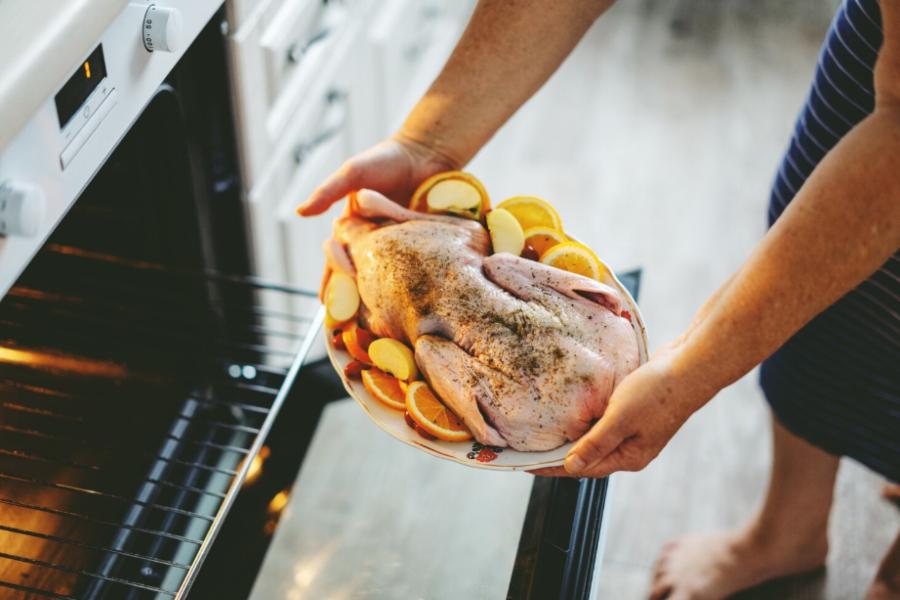
Defrosting frozen chicken does not need to be stressful or time-consuming. When you understand how to defrost chicken in a microwave the right way, you can save time while keeping your food safe and ready to cook.
You need the correct power level, proper timing, and intelligent handling to avoid partially cooked edges or unsafe temperatures. This guide explains everything in clear and simple steps so you can defrost chicken confidently without ruining the texture or risking food safety.
Below, you will learn precisely how to defrost chicken in a microwave, how long it takes, what mistakes to avoid, and how to handle chicken safely after defrosting.
Why Defrosting Chicken Properly Matters
Defrosting chicken properly is essential for both safety and quality. When chicken is unevenly thawed, some areas may warm too quickly while the center stays frozen. This creates ideal conditions for bacterial growth.
Proper microwave defrosting prevents the chicken from spending too long in unsafe temperature ranges. It also ensures the chicken cooks evenly later. If chicken remains frozen in the center, it can lead to undercooked meat even when the outside looks done.
When you defrost chicken correctly, you preserve its texture. Poor defrosting can cause rubbery edges, dryness, or cooked spots before you even start cooking.
Learning how to defrost chicken in a microwave helps you prepare meals faster without sacrificing safety. It is instrumental when you forget to thaw chicken in advance and need a reliable solution.
Is It Safe to Defrost Chicken in the Microwave
Yes, it is safe to defrost chicken in the microwave when you follow the correct steps. The key rule is simple. You must cook the chicken immediately after defrosting.
Microwaves thaw food by heating water molecules. This process can create warm spots where bacteria may grow if the chicken sits too long. Cooking immediately eliminates this risk.
Microwave defrosting is not ideal for storage afterward. Unlike refrigerator thawing, microwave defrosted chicken should never be left sitting or returned to the fridge raw.
If you respect timing, power levels, and immediate cooking, microwave defrosting is a safe and practical method. It is designed for speed, not long-term holding.
Knowing these limits helps you use the microwave responsibly and avoid common food safety mistakes.
Preparing Chicken Before Microwave Defrosting
Preparation makes a big difference in results. Before you start defrosting, remove all original packaging. Plastic wrap, foam trays, and absorbent pads are not microwave-safe.
Place the chicken on a microwave-safe dish. Glass or ceramic works best. The dish should be large enough to catch juices as the chicken thaws.
If the pieces are stuck together, try separating them slightly. Even small gaps help the microwave heat more evenly.
Always check the chicken’s weight. Most defrost times depend on weight, and guessing can lead to under or over-thawing.
Good preparation reduces mess, improves safety, and ensures the chicken defrosts evenly.
How to Defrost Chicken in Microwave Step by Step
Understanding the correct process is the most crucial part of learning how to defrost chicken in microwave.
Step 1: Use the Defrost Setting
Select the defrost option on your microwave. If your microwave asks for food type, choose poultry. Enter the weight if prompted.
If there is no defrost button, set the power level manually to about twenty to thirty percent. This lower power prevents cooking while thawing.
Step 2: Set the Initial Time
A general rule is eight to ten minutes per pound of chicken. Start with the lower time and check frequently. You can always add more time if needed.
Step 3: Flip and Rotate the Chicken
Pause the microwave every two to three minutes. Flip the chicken and rotate it. This prevents hot spots and improves even thawing.
Step 4: Check for Ice
Press the thickest part gently. If it still feels hard or icy, continue defrosting in short intervals.
Step 5: Cook Immediately
Once thawed, cook the chicken right away. Do not let it sit on the counter or return it to the fridge raw.
How Long Does It Take to Defrost Chicken in Microwave
Timing depends on weight, thickness, and microwave power. There is no one size fits all time, but reliable estimates help.
One pound of chicken usually takes eight to ten minutes. Two pounds may take sixteen to twenty minutes. Larger pieces like whole chickens take longer and often defrost unevenly.
Thin cuts such as chicken breasts or thighs defrost faster than thick bone in pieces. If your microwave has lower wattage, expect slightly longer times.
Always use short intervals toward the end. This prevents edges from starting to cook.
Watching the process closely gives you better results than relying on one long timer.
Best Power Level for Microwave Defrosting
Power level matters more than time. High power cooks food instead of defrosting it.
The ideal power range for defrosting chicken is twenty to thirty percent. This gentle heat allows ice crystals to melt slowly without raising the surface temperature too fast.
If you use full power, the outer layers can cook while the center remains frozen. This ruins texture and creates safety risks.
If your microwave has an automatic defrost mode, trust it. These programs cycle power on and off to control temperature.
Manual control works just as well when you understand how power levels affect chicken.
Common Mistakes to Avoid When Defrosting Chicken
Many problems come from rushing the process. Avoid using high power to speed things up. It almost always leads to uneven results.
Do not leave chicken sitting after defrosting. Bacteria multiply quickly in warm conditions. Immediate cooking is non negotiable.
Avoid defrosting chicken in hot water before microwaving. This raises surface temperature too fast and increases risk.
Never refreeze raw chicken that was defrosted in the microwave. Only cooked chicken can be frozen again safely.
Avoid guessing times without checking. Touch and visual inspection matter more than the clock.
How to Tell When Chicken Is Fully Defrosted
Fully defrosted chicken feels soft throughout. There should be no ice crystals inside.
Press the thickest part gently. If it bends easily and feels cool but not hard, it is ready.
You can also cut into the thickest section. If the center shows ice or stiffness, continue defrosting.
Color changes are normal during defrosting. Slight graying does not mean the chicken is spoiled. Texture matters more than appearance at this stage.
Always rely on feel rather than surface warmth alone.
Cooking Chicken Immediately After Defrosting
Once defrosted, your next step is cooking. Choose your cooking method before you start defrosting so there is no delay.
Whether you bake, grill, pan fry, or air fry, start right away. Cooking brings the chicken to a safe internal temperature and eliminates bacteria risk.
Seasoning should be done just before cooking. Avoid marinating microwave defrosted chicken for long periods.
If you need flexibility, plan ahead and use refrigerator thawing instead. Microwave defrosting is designed for immediate use.
Understanding this rule protects your health and keeps your meals safe.
Microwave Defrosting vs Other Thawing Methods
Microwave defrosting is the fastest method, but not always the best for every situation.
Refrigerator thawing is slower but allows you to store chicken safely after thawing. Cold water thawing offers a balance between speed and texture.
Microwave defrosting is ideal when time is limited and you plan to cook immediately.
Each method has a purpose. Knowing when to use the microwave gives you flexibility without compromising safety.
Choosing the right method depends on your schedule and meal plan.
Frequently Asked Questions About Defrosting Chicken in Microwave
Can you defrost frozen chicken breasts in the microwave
Yes. Chicken breasts defrost well due to their uniform thickness. Use low power and flip often.
Can you defrost a whole chicken in the microwave
It is possible but not recommended. Whole chickens defrost unevenly and may start cooking on the outside before the center thaws.
Can you refreeze chicken after microwave defrosting
Only if it has been fully cooked. Raw microwave defrosted chicken should never be refrozen.
Does microwave defrosting affect taste
When done correctly, taste remains normal. Overheating or partial cooking causes texture problems, not the microwave itself.
Final Thoughts
Learning how to defrost chicken in microwave gives you control, speed, and safety in the kitchen. When done properly, it is a reliable method that fits busy schedules.
Use low power, flip frequently, and cook immediately after defrosting. These simple rules prevent common problems and protect food quality.
Microwave defrosting is not about rushing. It is about controlled thawing with attention and care.
Follow the steps in this guide and you can defrost chicken confidently without stress, waste, or safety concerns.