
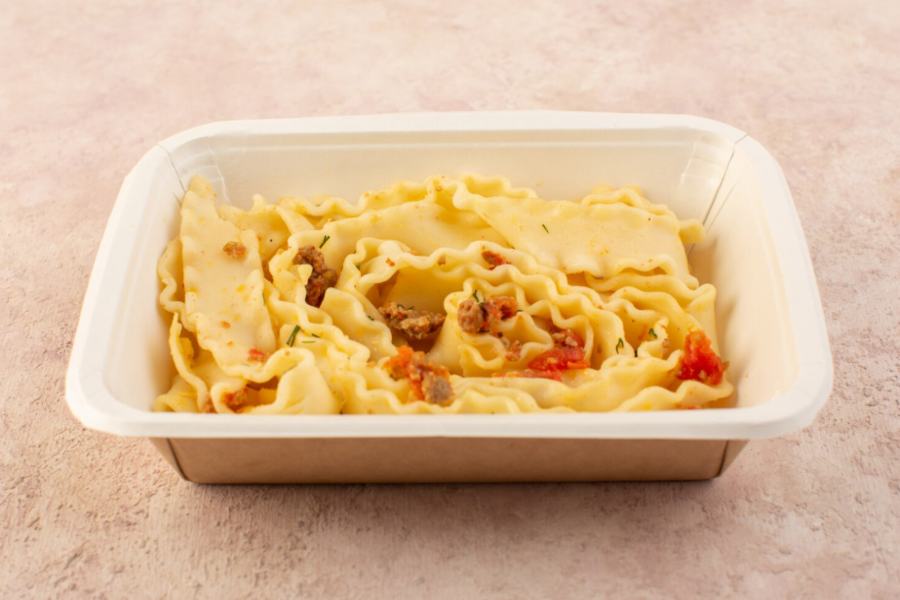
Many people ask the same question every day: Can you put Styrofoam in the microwave without causing harm? Styrofoam containers are everywhere. They are used for takeout food, coffee cups, and quick food storage. Because they are lightweight and convenient, most people assume they are safe to use for reheating food.
The truth is more complex. Some Styrofoam containers can go in the microwave, but many should never be heated. Using the wrong type can lead to melting, food contamination, or even health concerns. Knowing the difference matters.
This guide explains everything clearly. You will learn what Styrofoam really is, when it is microwave-safe, the risks involved, and what you should do instead. By the end, you will know precisely how to safely and confidently reheat food.
What Is Styrofoam and Why Is It Used for Food
Styrofoam is a common name people use for foam food containers, cups, and plates. Technically, most food containers are made from expanded polystyrene foam. This material is created by heating and blowing polystyrene beads until they form a lightweight structure.
The reason Styrofoam is so popular is simple. It is cheap to produce. It keeps food warm. It resists moisture. It is also very light, which makes it ideal for takeout meals and disposable packaging.
However, Styrofoam was never designed primarily for high heat exposure. Its structure contains tiny air pockets. When heated, these pockets can expand unevenly. That is why Styrofoam can warp, soften, or melt when placed in a microwave.
Understanding this material is the first step in answering the question: Can you put Styrofoam in the microwave safely?
Can You Put Styrofoam in the Microwave at All?
The short answer is yes, but only in specific cases. You can put Styrofoam in the microwave only if the container is clearly labeled microwave safe.
Microwave-safe Styrofoam is manufactured differently. It is designed to withstand microwave temperatures for short periods without melting or releasing harmful substances. These containers are tested before being approved for use.
If a Styrofoam container does not have a microwave-safe label, you should assume it is unsafe. Many takeout boxes, foam cups, and disposable trays are not made for reheating.
When people microwave non-approved Styrofoam, the container may soften, collapse, or leak chemicals into food. This risk increases with higher heat and longer cooking times.
Can you put Styrofoam in the microwave? Only when the manufacturer clearly says you can.
How to Identify Microwave Safe Styrofoam Containers
Knowing how to identify microwave-safe Styrofoam is essential. Most safe containers include a symbol on the bottom or side. This symbol often looks like a microwave with wavy lines.
Some containers include text such as “microwave safe” or “safe for microwave reheating.” If you do not see this marking, do not guess.
Avoid relying on how thick or sturdy the container feels. Appearance does not guarantee safety. Some foam containers look durable but remain unsafe when heated.
Older Styrofoam containers should also be avoided. Even if they were once microwave safe, repeated use can weaken the material.
If there is any doubt, transfer your food to a glass or ceramic dish before reheating. It takes only a few seconds and removes all uncertainty.
Health Risks of Microwaving Non-Safe Styrofoam
One of the biggest concerns about microwaving Styrofoam is chemical migration. Polystyrene foam is made using chemicals that can move into food when heated.
When Styrofoam gets hot, small amounts of these chemicals may leach into the food, especially fatty or acidic foods. Heat accelerates this process.
While occasional exposure may be low, repeated exposure over time is not ideal. This is why many health experts advise avoiding heating food in non-approved foam containers.
Another issue is taste and smell. Food reheated in melting Styrofoam can develop a plastic-like odor or flavor. This is a sign that the container is breaking down.
Understanding these risks helps explain why the question Can you put Styrofoam in the microwave should always be answered with caution.
Physical Dangers: Melting, Warping, and Burns
Beyond health concerns, physical safety is another major issue. Styrofoam can melt or warp unevenly in the microwave.
When this happens, hot food or liquid may spill suddenly. This increases the risk of burns to your hands or face.
Foam cups are especially dangerous. Hot liquids like soup or coffee can cause the cup to soften without warning. The bottom may collapse when lifted.
In rare cases, extremely overheated Styrofoam can scorch or smoke, especially if microwaved for too long. While fires are uncommon, the risk still exists.
Using containers designed for microwave heat eliminates these dangers. Safety should always come before convenience.
Everyday Styrofoam Items and Microwave Safety
Not all Styrofoam products are the same. Understanding everyday items helps you make better decisions.
Takeout food containers are often not microwave-safe unless labeled. These containers are designed for transport, not reheating.
Styrofoam coffee cups should never be microwaved. They are thin and prone to melting quickly.
Foam plates may handle warm food, but are unsafe for reheating. They can bend and spill food easily.
Some grocery store meat trays are made of foam. These should never go into the microwave.
Only specially marked foam containers are suitable for reheating food. Everything else should be transferred to a safer dish.
Best Practices If You Must Reheat Food from Styrofoam
If your food arrives in a Styrofoam container, the safest approach is simple. Transfer the food before reheating.
Glass containers are ideal. They heat evenly and do not release chemicals.
Ceramic dishes also work well. Make sure they are labeled microwave safe.
If you use plastic, check for microwave-safe markings. Avoid old or scratched plastic containers.
When reheating, use moderate heat. Stir food halfway through to distribute heat evenly.
These small steps protect your health and prevent accidents while still allowing you to enjoy hot meals.
Safer Alternatives to Styrofoam for Microwave Use
Switching away from Styrofoam makes reheating easier and safer. Many alternatives are widely available.
Glass containers are one of the best options. They are durable, reusable, and heat-resistant.
Ceramic bowls and plates are also excellent. They are commonly used in home kitchens for a reason.
Microwave-safe plastic containers can work if properly labeled and maintained.
Reusable silicone containers are another modern option. They are flexible, heat-safe, and easy to store.
Using these alternatives eliminates the need to wonder if you can put Styrofoam in the microwave every time you reheat food.
Conclusion:
Can you put Styrofoam in the microwave? The final answer depends on one key factor. Only microwave-safe Styrofoam should ever be used for reheating food.
Most disposable foam containers are not designed for microwave heat. They can melt, spill food, and potentially release unwanted chemicals.
The safest habit is simple. Always transfer food from Styrofoam into a microwave-safe container before reheating.
This small step protects your health, prevents burns, and keeps your food tasting the way it should.
When it comes to microwaving Styrofoam, caution is always the more intelligent choice.