
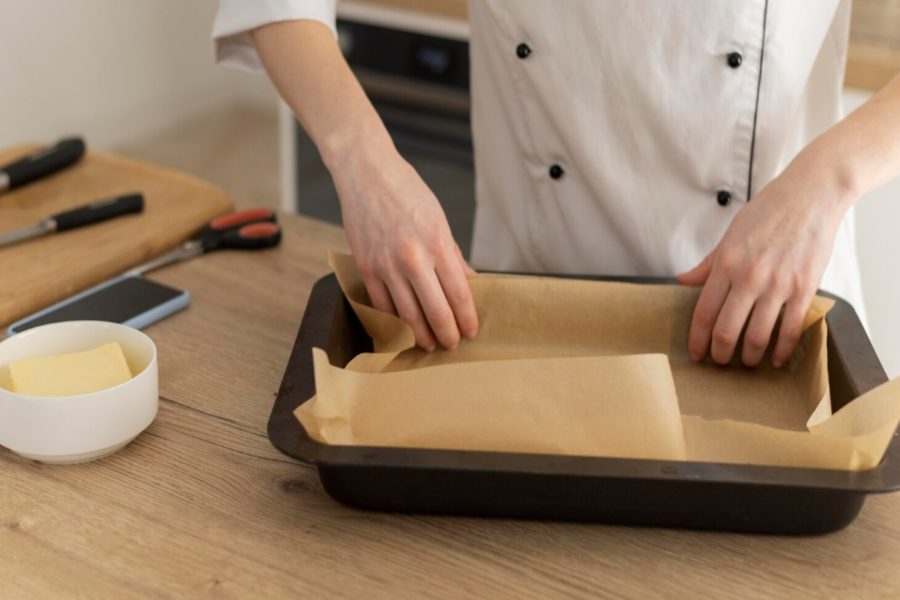
Can you microwave parchment paper is a question many home cooks ask when looking for a safer, cleaner alternative to plastic wraps and paper towels.
Parchment paper is common in baking, but its use in the microwave still confuses. Some people worry about fire risks. Others are unsure about the limits of chemicals or heat.
This guide removes the guesswork.
You will learn whether you can microwave parchment paper, how to do it safely, what mistakes to avoid, and when you should never use it.
This article is written to help real people cook smarter, cleaner, and safer every day.
Let us begin with the most important answer.
Yes, you can microwave parchment paper, when used correctly.
Now let us explain why.
What Parchment Paper Is and How It Is Made
Parchment paper is a specially treated paper designed for cooking and baking. It is made from cellulose fibers that go through a process to improve strength and heat resistance.
Most parchment paper is coated with a thin layer of food-safe silicone. This coating is what makes it non-stick and moisture-resistant. Unlike wax paper, parchment paper does not contain a wax coating that melts at high temperatures.
That single difference is critical for microwave safety. The silicone coating allows parchment paper to tolerate high temperatures without burning or releasing odors during everyday use.
This is why parchment paper performs well in ovens and microwaves when appropriately used.
Another important detail is that parchment paper does not contain metal. This means there is no risk of sparks in the microwave.
Because of its structure, parchment paper allows steam to pass through slowly, which helps food heat evenly.
That same feature also helps reduce splatter inside the microwave. Understanding how parchment paper is made helps explain why it is generally safe for microwave use.
Can You Microwave Parchment Paper Without Risk
Can you microwave parchment paper safely is the concern that matters most.
The short answer is yes: parchment paper is microwave-safe when used as intended.
Microwaves do not heat paper directly. They heat the water molecules inside food.
Because parchment paper has no metal and resists heat, it does not react dangerously in the microwave.
However, safety depends on proper use. Parchment paper should never come into contact with the heating elements or microwave walls for extended periods.
It should also not be used empty without food on it. Food helps absorb microwave energy, preventing overheating.
When used as a cover or liner under food, parchment paper performs very well.
It does not melt.
It does not release harmful fumes.
It does not catch fire under normal microwave conditions.
Problems only arise when parchment paper is misused or overheated for too long.
Used correctly, it is one of the safest disposable options available.
Heat Resistance and Temperature Limits Explained
Many people ask about temperature limits before using parchment paper in the microwave. Most parchment paper is rated to withstand heat up to around 420 to 450 degrees Fahrenheit.
Microwave cooking rarely reaches those temperatures. This is because microwaves heat food from the inside using moisture.
They do not create dry heat like an oven.
That means parchment paper stays well within its safe temperature range during normal reheating or cooking tasks.
The risk increases only if parchment paper is exposed to intense dry heat or direct contact with hot surfaces. For example, long microwave sessions with very little food moisture can cause scorching.
Greasy foods can also create hot spots if the grease soaks into the paper. That is why moderation and supervision are essential.
As long as you are reheating food for reasonable periods, parchment paper remains stable and safe.
Benefits of Using Parchment Paper in the Microwave
Using parchment paper in the microwave offers several practical advantages.
First, it reduces mess.
Covering food with parchment paper helps prevent splatters that coat the inside of your microwave.
Second, it improves food texture.
Parchment paper allows steam to escape slowly, helping food reheat evenly without becoming soggy.
Third, it makes cleanup easier.
Lining a plate or dish with parchment paper prevents sauces and oils from sticking.
Fourth, it is a safer alternative to plastic wraps.
Many people prefer parchment paper because it does not release plastic odors or soften under heat.
Another benefit is flexibility.
You can loosely wrap food, tent it, or lay it flat over a dish.
These simple uses make parchment paper extremely versatile in everyday microwave cooking.
For busy households, these benefits save time and reduce frustration.
Bleached vs Unbleached Parchment Paper in the Microwave
Not all parchment paper is the same.
The main difference you will see is between bleached and unbleached parchment paper.
Bleached parchment paper is white and treated during processing.
Unbleached parchment paper is brown and closer to its natural state.
Both types are generally microwave safe when labeled for cooking use.
However, many people prefer unbleached parchment paper for peace of mind.
It contains fewer processing chemicals and produces less odor when heated.
Unbleached parchment paper is often considered the safer option for frequent microwave use.
That said, quality matters more than color.
Always check the packaging to confirm microwave safety.
Avoid parchment paper with unknown coatings or decorative prints.
Plain, food-grade parchment paper is the best choice for microwaving.
Common Mistakes to Avoid When Microwaving Parchment Paper
Even safe materials can become unsafe if misused.
One common mistake is crumpling parchment paper tightly around food.
This can trap heat, leading to scorched areas.
Another mistake is allowing parchment paper to hang over the edge of the dish.
Loose edges can overheat more quickly.
Using parchment paper with very greasy foods is also risky.
Grease can soak into the paper and create hot spots.
Never microwave parchment paper by itself without food on it.
Always place it in contact with food or moisture.
Avoid long cooking times without checking progress.
Short intervals are safer and more effective.
Finally, do not substitute parchment paper with wax paper.
Wax paper can melt and smoke in the microwave.
Avoiding these mistakes ensures safe and reliable results every time.
Comparing Parchment Paper to Other Microwave Covers
When deciding what to microwave, it helps to compare options.
Plastic wrap is standard but often controversial.
Some plastic wraps can soften or release odors when heated.
Paper towels are convenient but can dry out food and sometimes scorch.
Microwave-safe lids are reusable but may trap too much steam.
Parchment paper offers a balanced solution.
It resists heat, allows steam control, and avoids plastic concerns.
It also provides flexibility that rigid covers do not.
Compared to wax paper, parchment paper is far safer and more reliable.
Compared to foil, it poses no spark risk.
For many home cooks, parchment paper becomes the preferred choice once they understand its benefits.
Best Practices for Safe Microwave Use
To use parchment paper safely in the microwave, follow a few simple rules.
Always use food grade parchment paper labeled for cooking.
Keep the paper trimmed to fit the dish.
Allow space for steam to escape.
Avoid excessive grease contact.
Use moderate cooking times and check food regularly.
Never leave the microwave unattended for long sessions.
If you notice burning smells, stop immediately.
When reheating leftovers, parchment paper works best as a loose cover.
For steaming vegetables, wrap lightly and leave a vent opening.
These small habits make a big difference in safety and results.
Final Verdict Can You Microwave Parchment Paper
Can you microwave parchment paper safely is no longer a mystery.
Yes, you can microwave parchment paper when it is used correctly and responsibly.
It is heat-resistant, non-stick, and free from metal risks.
It offers clear advantages over plastic wraps and paper towels.
The key is proper use.
Avoid long dry heating, excessive grease, and tight crumpling.
Choose quality parchment paper and follow basic safety practices.
When used wisely, parchment paper becomes a reliable and convenient tool in the microwave.
It supports cleaner cooking, better food texture, and easier cleanup.
For modern kitchens focused on safety and efficiency, parchment paper earns its place with confidence.