
For many homeowners in Connecticut, the appearance of green paint, mold, and dark streaks on the facade has become an almost annual problem. This is especially noticeable in spring and early summer, when after a wet winter the exterior surfaces begin to darken rapidly. Many homeowners initially perceive this as common pollution, but the state’s climate characteristics create ideal conditions for mold, mildew, and algae growth.
Connecticut is located in the New England region, where high humidity, frequent rainfall, dense vegetation and sharp temperature changes combine. All this directly affects the condition of siding, roof shingles, wooden decks and driveways. Even new homes can be overrun months after the winter season.
Unfortunately, many homeowners ignore this problem and respond only when it is too late and recovery will be difficult and costly. The optimal solution is periodic pressure washing in Stamford CT, which can be carried out by a team of professionals. But first, you need to see if this problem is really relevant for you.
Why the Problem is Particularly Noticeable in Connecticut
Unlike the drier states, the climate of Connecticut retains moisture on surfaces for much longer. After rain or snow, the facades of houses may remain moist for several days, especially if the site is located near trees or in the shade. Homeowners need to know that the most common causes of mold and dust in homes are:
- high humidity;
- dense vegetation near the home;
- poor sunlight;
- salt residue from the winter season;
- constant freeze-thaw cycles.
The northern sides of houses are particularly rapidly polluted, because there is less sunlight. There, algae and mildew can spread almost imperceptibly. The problem is compounded by the proximity of Long Island Sound. In coastal areas, the air contains more moisture and salt particles settle gradually on external surfaces.
How the Plaque Affects the State of the Facade
Many property owners underestimate the consequences of such pollution. At first glance, it seems that this is only a cosmetic problem affecting the appearance of the house. However, the constant accumulation of moisture and organic pollution gradually damages materials.
For example, mold can penetrate wooden surfaces in deck and porch areas, accelerating the destruction of wood. Dark spots appear on the siding, which become harder to remove over time. Roof algae retains moisture on the surface of the roof, which can reduce shingles lifespan.
In addition, the contaminated facade affects the curb appeal of the house. In areas with an active real estate market, the appearance of real estate plays an important role when selling or renting a home.
Why Ordinary Cleaning Is Not Efficient
Many homeowners try to clean up their own garden hose or household items. But in most cases it only has a temporary effect, because the mold and algae are anchored deep into the material’s pores.
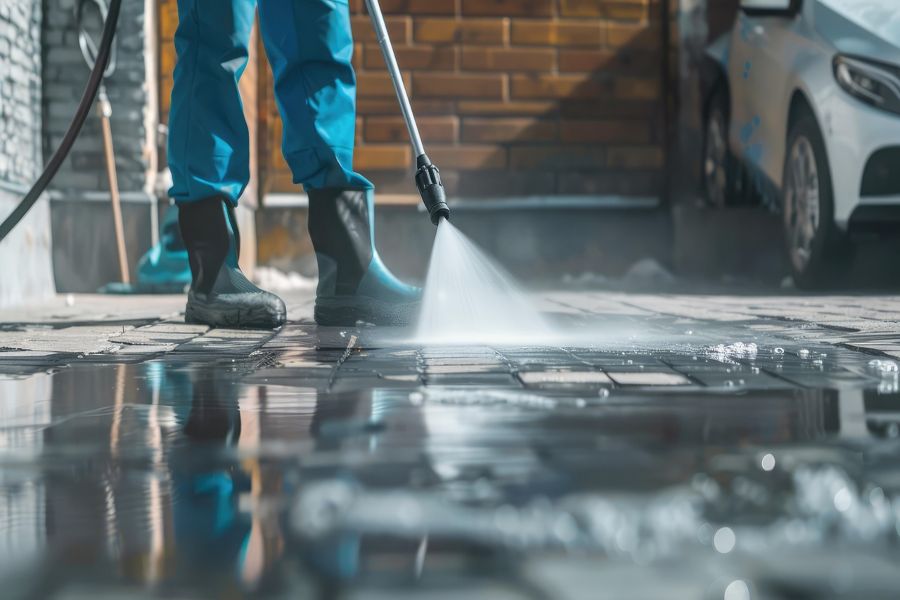
This is why pressure washing has become one of the most sought-after exterior maintenance services in Connecticut. Properly selected water pressure and special cleaning solutions allow you to remove dirt without damaging the surfaces. Pressure washing is particularly effective when dealing with the contamination of such surfaces:
- vinyl siding;
- concrete driveways
- patios;
- wooden decks;
- fences and outdoor stairs.
It is important to understand that different materials require different approaches. For example, wooden surfaces are often cleaned using soft washing where lower water pressure is used.
Why the Problem Will Only Grow Greater If Ignored
External maintenance experts note that climate change is making the wet seasons in the region longer. Milder winters and frequent rainfall create favorable conditions for mold and mildew to grow almost all year round.
Therefore, pressure washing is gradually ceasing to be just an aesthetic procedure. For many homes in Connecticut, this is already part of the regular maintenance that helps protect facades, pathways, and wooden structures from long-term damage.
In the humid climate of New England, regular maintenance of exterior surfaces is not a matter of appearance, but a way to preserve the condition of the home and avoid more serious problems in the future.
Why Homeowners Choose Professional Facade Cleaning
In recent years, demand for professional exterior cleaning services has grown markedly in Connecticut. Many homeowners understand that regular maintenance is cheaper than subsequent repair of damaged surfaces.
This is especially true in the areas of Fairfield County and Stamford, where a humid climate and a large number of green zones accelerate the formation of raids. That’s why pressure washing in Stamford, CT, is becoming part of seasonal home maintenance for many homeowners.
Professional cleanup helps to address several very important and sometimes critical issues simultaneously.
- Extending the life of outdoor materials. Regular removal of dirt, mold and moisture reduces wear on siding, wood and concrete surfaces.
- Reducing the risk of mold damage. Cleaning helps prevent the spread of mold and mildew, which gradually destroy materials.
- Improving the appearance of the house. After pressure washing, the facade, paths and deck look noticeably fresh and neater.
- Preparing the property for sale. A clean and well-maintained exterior positively affects the first impression of potential buyers.
- Reducing the build-up of allergens around the house. Removing dust, mold and organic pollution makes the space around the house more comfortable.
Regular cleaning helps keep the house in good shape without needing frequent cosmetic repairs. In addition, the well-maintained exterior not only looks more attractive but is also better protected against the effects of Connecticut’s humid climate.
Final Thoughts
For homes in Connecticut, regular pressure washing is not just a part of seasonal cleaning, but an important element of property protection. In humid climates, timely cleaning helps maintain the house’s appearance, extend material life and reduce the risk of serious damage.
This is especially true in areas with dense vegetation and high humidity, where mold and algae can spread quickly on siding, deck, and driveway after just one season of rainfall.