
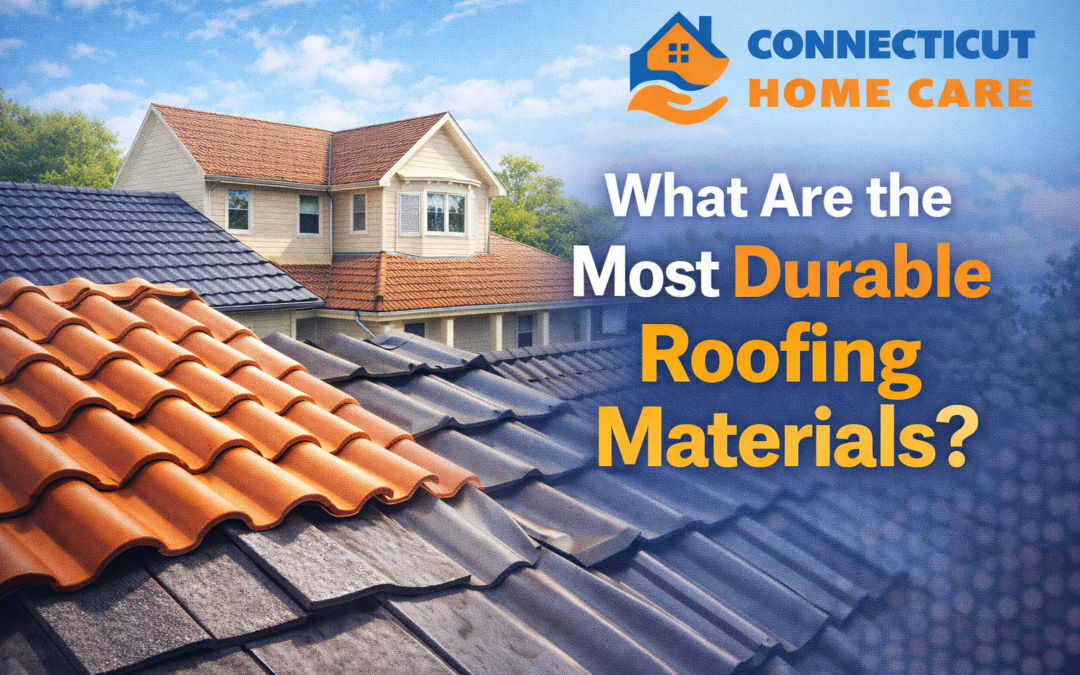
Choosing the most durable roofing materials is one of the most important decisions you can make for your home because your roof protects everything beneath it from weather, moisture, and long-term damage.
A durable roof reduces repair costs, increases property value, and provides peace of mind through storms, heat, and seasonal changes. This guide explains the strongest roofing options available today and helps you understand which materials deliver lasting performance for your specific needs.
Understanding What Makes a Roofing Material Durable
Roof durability is not defined only by lifespan, but by how well a material resists fire, impact, moisture, UV exposure, and structural stress over time. You should consider how a roofing material performs during severe weather, temperature fluctuations, and daily environmental wear because these factors directly affect long-term reliability. A truly durable roof minimizes maintenance needs while maintaining consistent protection year after year.
Durability also depends on proper installation and compatibility with your climate, since even the strongest materials can fail if installed incorrectly. Wind resistance, fire ratings, and impact classifications play a major role in how well roofing materials perform during storms or extreme conditions. Understanding these elements helps you choose a roofing system that balances performance, longevity, and cost.
Slate Roofing as a Long-Term Roofing Solution
Slate roofing is widely considered one of the most durable roofing materials available, with natural stone tiles that can last 75 to over 100 years when properly installed. Slate resists fire, water absorption, insects, and temperature extremes, making it ideal for homeowners focused on long-term performance. Its natural appearance also adds architectural value while maintaining structural integrity for decades.
Despite its durability, slate roofing requires specialized installation and a reinforced roof structure due to its weight. The initial investment is higher than many other materials, but the extended lifespan often offsets long-term repair and replacement costs. If longevity and minimal deterioration are your priorities, slate remains one of the strongest roofing choices available.
Metal Roofing and Its Exceptional Strength
Metal roofing offers outstanding durability, with lifespans commonly ranging from 40 to 70 years depending on material type and coating quality. Steel and aluminum roofs provide strong resistance to wind, fire, and impact while shedding snow and water efficiently. These qualities make metal roofing a dependable option in regions prone to storms or heavy precipitation.
Modern metal roofs include protective finishes that resist corrosion and UV damage, helping the material maintain performance and appearance over time. While metal roofs may cost more upfront than asphalt shingles, they often reduce maintenance expenses and energy costs. Proper insulation also minimizes noise concerns, making metal roofing both durable and practical for residential use.
Synthetic Roofing Materials and Engineered Durability
Synthetic roofing materials are engineered to replicate the appearance of slate or wood while offering improved impact resistance and lighter weight. These composite products often last 40 to 50 years and perform well against hail, moisture, and temperature changes. Their durability comes from advanced polymers that resist cracking, warping, and fading.
Many homeowners choose synthetic roofing because it combines aesthetics with consistent performance across different climates. These materials typically require less maintenance than natural wood or stone options. Synthetic roofing provides a balanced solution if you want durability without the structural demands of heavier materials.
Clay and Concrete Tile Roofing Performance
Clay and concrete tiles are known for their exceptional durability, often lasting 50 to 100 years when installed correctly. These materials resist fire, rot, and insect damage while maintaining structural stability in hot and sunny climates. Their thermal properties also help regulate indoor temperatures, improving energy efficiency.
The primary consideration with tile roofing is weight, as homes may need structural reinforcement before installation. Installation costs can be higher, but maintenance requirements are relatively low once the roof is in place. If your home supports the load, tile roofing delivers long-term strength and visual appeal.
Copper Roofing and Long-Lasting Protection
Copper roofing is among the most durable roofing materials due to its natural resistance to corrosion and weather exposure. Over time, copper forms a protective patina that slows deterioration and enhances longevity. Many copper roofs last 50 years or more and can serve as lifetime roofing systems.
Copper also provides excellent fire resistance and requires minimal maintenance once installed. The material is expensive and requires skilled craftsmanship, which increases upfront costs. If durability and unique architectural character matter most, copper roofing is a premium option worth considering.
Asphalt Shingles and Modern Durability Improvements
Asphalt shingles remain popular due to affordability, but modern architectural shingles offer improved durability over traditional designs. High-quality asphalt shingles can last 25 to 30 years and provide reliable wind and impact resistance. Impact-rated options perform better in storm-prone areas.
While asphalt shingles do not match the lifespan of slate or metal, they offer solid performance at a lower cost. Proper installation and ventilation significantly affect durability. Asphalt remains a practical choice if you want dependable protection without premium pricing.
Cedar Shake Roofing and Climate Considerations
Cedar shake roofing offers natural beauty and moderate durability when installed in suitable climates. With proper maintenance, cedar shakes can last 30 years or longer while providing strong wind resistance. Regular treatments help prevent moisture damage, rot, and insect infestation.
Cedar is less fire-resistant than other materials unless treated, which may affect suitability in certain regions. Maintenance requirements are higher compared to engineered materials. Homeowners who value aesthetics often choose cedar despite its added upkeep needs.
Factors That Help You Choose the Right Durable Roof
Choosing the most durable roofing materials requires evaluating climate, budget, structural capacity, and long-term goals. Weather exposure, installation quality, and maintenance commitment all influence how long your roof performs effectively. Matching materials to your environment ensures better durability and fewer repairs.
Homeowners planning roofing upgrades often research broader home safety topics, including construction materials and household practices and tips, such as Can You Microwave Cardboard? Understanding home materials holistically supports smarter renovation decisions. A well-chosen roof contributes to overall household protection and efficiency.
Maintenance Practices That Extend Roof Lifespan
Even the most durable roofing materials benefit from regular maintenance and inspection. Clearing debris, inspecting flashing, and addressing small issues early prevents larger structural problems. Seasonal inspections improve longevity and reduce unexpected repair costs.
Routine upkeep aligns with broader home maintenance strategies, including environmentally safe practices like discussions such as Can Apple Cider Vinegar Be Used for Cleaning? Proactive care ensures consistent roof performance over decades. Maintenance is a critical part of maximizing durability.
Making the Best Roofing Decision for Your Home
Selecting the most durable roofing materials means balancing longevity, cost, and performance to meet your household needs. Premium materials offer exceptional lifespan, while mid-range options provide reliable durability at lower investment levels. Your final choice should reflect climate demands and long-term expectations.
As you evaluate materials, consider broader home improvement knowledge, including safety guidance like Can You Microwave Plastic? Thoughtful planning leads to a stronger, safer, and more resilient home. A durable roof supports every other part of your living space.
Conclusion
Understanding what are the most durable roofing materials empowers you to make informed decisions that protect your home for decades. Slate, metal, synthetic composites, tile, and premium asphalt shingles each offer distinct durability benefits depending on your needs and environment.
By selecting the right material and maintaining it properly, you secure long-term protection, reduce costs, and increase the overall value of your home.
FAQs
What roofing material lasts the longest overall?
Slate roofing lasts the longest overall, often exceeding 75 to 100 years with proper installation and maintenance. Its natural stone composition resists fire, moisture, insects, and temperature changes, making it one of the most durable roofing materials available for residential homes.
Is metal roofing more durable than asphalt shingles?
Metal roofing is significantly more durable than asphalt shingles because it resists fire, wind, and impact better while lasting 40 to 70 years. Asphalt shingles usually last 20 to 30 years, making metal a stronger long-term investment.
Which roofing materials perform best in extreme weather?
Metal, slate, and synthetic composite roofing materials perform best in extreme weather conditions because they resist high winds, hail, fire, and temperature fluctuations. These materials maintain structural integrity during storms and reduce the risk of frequent repairs or premature replacement.
Are synthetic roofing materials as durable as natural options?
Synthetic roofing materials are highly durable and often match or exceed natural options in impact resistance and weather performance. They are engineered to resist cracking, fading, and moisture while providing lighter weight and longer warranties compared to wood or traditional materials.
How does climate affect roofing material durability?
Climate plays a major role in roofing durability because heat, moisture, snow, and wind affect materials differently. Clay tiles perform well in hot climates, metal excels in storm-prone regions, and slate performs consistently across most environments when installed properly.
Is tile roofing a durable option for residential homes?
Tile roofing is extremely durable and can last 50 to 100 years when properly installed. Clay and concrete tiles resist fire, insects, and rot, but require a strong roof structure due to their weight and specialized installation requirements.
Does roof maintenance impact long-term durability?
Regular roof maintenance significantly improves long-term durability by preventing small issues from becoming major damage. Inspections, debris removal, and timely repairs help extend the lifespan of even the most durable roofing materials and protect your home efficiently.
Are expensive roofing materials always more durable?
More expensive roofing materials are often more durable, but cost alone does not guarantee longevity. Installation quality, climate compatibility, and maintenance habits play equally important roles in determining how long a roofing system performs effectively over time.
Which roofing materials offer the best fire resistance?
Slate, metal, clay tiles, and certain synthetic roofing materials offer the highest fire resistance. These materials achieve Class A fire ratings, providing maximum protection against fire hazards and making them ideal for areas prone to wildfires or high heat.
How do I choose the most durable roofing material for my home?
To choose the most durable roofing material, consider your climate, budget, structural support, and long-term goals. Evaluating fire resistance, impact ratings, maintenance needs, and lifespan ensures you select a roofing option that delivers lasting protection and value.