
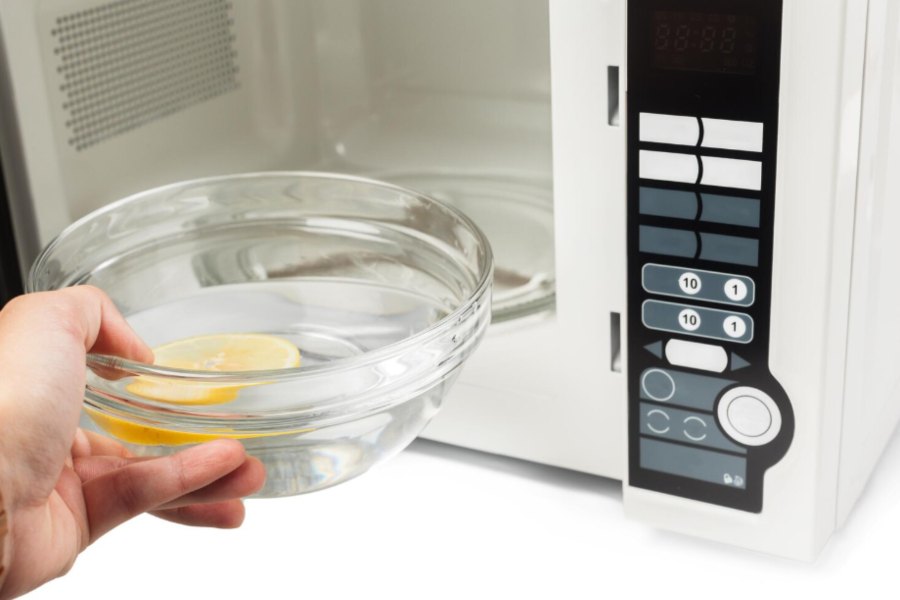
Can glass go in the microwave is a question many people ask when reheating meals, warming drinks, or defrosting leftovers.
The simple answer is yes, glass can go in the microwave.
The important answer is only if it is the right kind of glass.
After decades of kitchen use, appliance testing, and material research, one fact remains clear.
Microwaves do not treat all glass the same.
Some glass handles microwave heat safely and consistently.
Other glass can crack, shatter, or become dangerously hot without warning.
This article explains the science, safety rules, and real world practices behind using glass in the microwave.
You will learn how microwaves heat glass, which types are safe, how to test unknown glass, and how to avoid common mistakes.
By the end, you will feel confident every time you place glass inside your microwave.
How Microwaves Heat Food and Why Glass Reacts Differently
To understand whether glass can go in the microwave, you must first understand how a microwave works.
Microwaves produce electromagnetic energy.
This energy targets water molecules inside food.
When water molecules vibrate rapidly, heat is created.
Food heats from the inside out.
Glass behaves differently.
Most glass does not absorb microwave energy directly.
Instead, glass heats up because hot food transfers heat to it.
This is why glass containers often feel very hot even when the microwave walls remain cool.
Problems occur when glass heats unevenly.
Thin areas heat faster than thick areas.
Cold glass exposed to sudden heat can experience internal stress.
That stress is known as thermal shock.
Thermal shock is the main reason glass cracks or breaks in the microwave.
Microwave safe glass is designed to reduce this stress.
Regular glass is not.
What Microwave Safe Glass Actually Means
When glass is labeled microwave safe, it has undergone controlled testing.
Manufacturers expose the glass to repeated heating cycles.
They test rapid temperature changes.
They evaluate structural strength and durability.
Microwave safe glass is designed to distribute heat evenly.
It resists cracking under normal microwave use.
It remains stable during repeated reheating.
This label is not decorative.
It is a safety assurance.
Unlabeled glass has not been tested.
It may survive a few uses.
It may also fail suddenly.
Microwave safe does not mean the glass will never break.
It means the glass behaves predictably under heat.
Always check the bottom of containers.
Symbols or wording indicating microwave safety are essential.
If the label is missing, caution is necessary.
Different Types of Glass and Their Microwave Safety
Understanding glass types helps prevent accidents.
Tempered Glass
Tempered glass is strengthened during manufacturing.
It is designed to withstand heat stress.
Most microwave safe cookware uses tempered glass.
When it breaks, it usually crumbles instead of shattering sharply.
This makes it safer for kitchen use.
Borosilicate Glass
Borosilicate glass resists heat extremely well.
It expands less when heated.
This reduces internal stress.
It is ideal for microwave and oven use.
High quality food containers often use borosilicate glass.
It is one of the safest options available.
Soda Lime Glass
Soda lime glass is common in jars and bottles.
It is inexpensive and widely used.
However, it is sensitive to temperature changes.
Microwaving soda lime glass can cause cracks.
Unless clearly labeled microwave safe, it should be avoided.
Decorative and Painted Glass
Decorative glass often contains metallic paint or trim.
Metal reflects microwave energy.
This can cause sparks or damage.
Painted glass can weaken under heat.
Decorative glass should never go in the microwave.
Why Glass Sometimes Breaks in the Microwave
Glass breakage is not random.
It follows clear physical rules.
Thermal shock is the most common cause.
Cold glass heated too quickly develops internal stress.
Uneven thickness creates hot and cool zones.
Stress builds until the glass fails.
Small defects also matter.
Tiny cracks, chips, or bubbles weaken structure.
Microwave heating magnifies these weaknesses.
Decorative elements increase risk.
Metal trim can spark.
Painted surfaces can overheat.
Liquids heat faster than solids.
Hot liquid inside cool glass creates rapid expansion.
This combination often leads to breakage.
Understanding these causes helps you prevent them.
How to Tell If Glass Can Go in the Microwave
If you are unsure whether glass can go in the microwave, there are safe ways to decide.
Start by inspecting the glass.
Look for microwave safe symbols or wording.
Check for cracks, chips, or uneven thickness.
Avoid any glass with metallic trim or decoration.
If there is no label, proceed carefully.
A simple heat comparison test can help.
Place the empty glass beside a known microwave safe cup filled with water.
Heat both briefly.
If the water heats and the glass stays cool, it is likely safe.
If the glass becomes hot quickly, it is absorbing energy and should not be used.
Never perform this test with food.
Always test empty glass.
When uncertain, choose another container.
Best Practices for Using Glass in the Microwave
Even microwave safe glass requires proper handling.
Good habits improve safety and longevity.
Allow refrigerated glass to reach room temperature before heating.
Avoid sudden temperature changes.
Use short heating intervals.
Stir food between cycles.
This distributes heat evenly.
Do not tightly seal containers.
Pressure buildup can cause breakage.
Use vented or microwave safe lids.
Handle hot glass with oven mitts.
Glass retains heat longer than plastic.
Place hot glass on dry surfaces.
Moisture can increase thermal stress.
Inspect glass regularly.
Replace damaged containers immediately.
These habits make glass microwave use safe and reliable.
Common Glass Items and Their Microwave Safety
Everyday glass items vary in safety.
Drinking glasses differ widely in composition.
Only those labeled microwave safe should be heated.
Mason jars are popular but risky.
Most are soda lime glass.
They can crack under microwave heat.
If used, heat gently and briefly.
Glass food storage containers are usually safe when labeled.
Remove lids unless clearly microwave safe.
Glass baby bottles are often microwave safe, but heating milk directly is not recommended due to uneven warming.
Glass measuring cups made from borosilicate are typically safe.
Decorative mugs with metallic rims should never be microwaved.
Appearance alone is not a reliable indicator.
Labels and testing matter most.
Glass Compared to Other Microwave Containers
Glass offers several advantages in the microwave.
It does not release chemicals into food.
It does not absorb odors or stains easily.
It is durable and easy to clean.
Compared to plastic, glass is more stable under heat.
Plastic is lighter but may degrade over time.
Ceramic can be microwave safe but varies by glaze.
Some ceramics contain metal traces.
Paper products are useful for covering food but not heating liquids.
Silicone is flexible and microwave friendly but lacks structure.
When labeled microwave safe, glass remains one of the most reliable options available.
Can Glass Go in the Microwave Safely Every Time?
Can glass go in the microwave safely depends on knowledge and habits.
When you choose microwave safe glass, the answer is yes.
When you ignore labels or rush heating, risks increase.
Glass itself is not dangerous.
Improper use creates danger.
Understanding materials removes guesswork.
Respecting temperature changes prevents breakage.
Using tested containers protects food and appliances.
Glass has been trusted in kitchens for generations.
With proper care, it remains one of the safest microwave materials available.
Trust the label.
Heat gradually.
Inspect often.
Follow these principles and glass in the microwave becomes safe, predictable, and reliable.
That confidence makes everyday cooking easier and safer.