
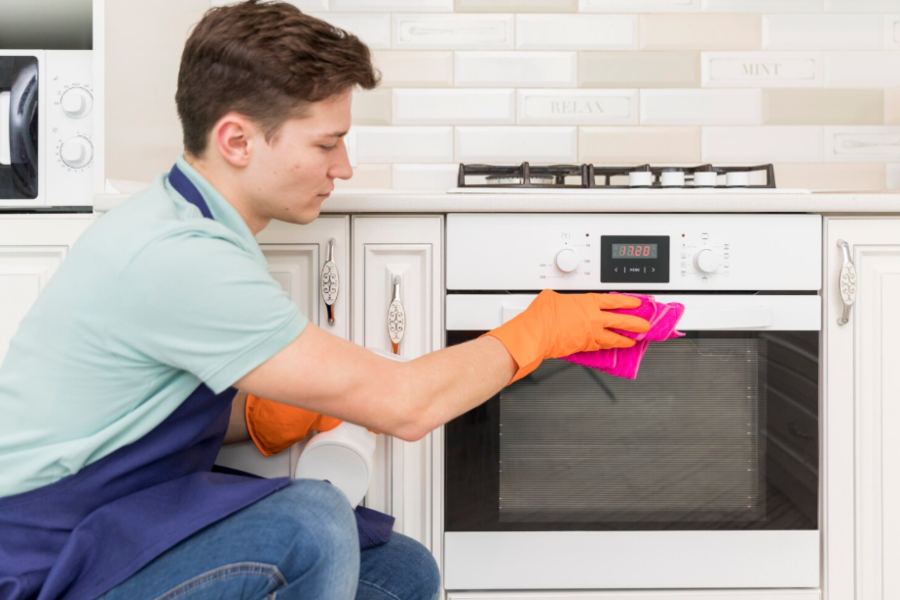
How to clean a microwave properly is something most people delay until food splatters harden and odors take over. A dirty microwave is not just unpleasant to look at; it’s also unpleasant to use. It can affect food taste, create foul smells, and even shorten the appliance’s lifespan.
Knowing how to clean a microwave properly makes daily cooking healthier and more manageable. With simple tools, natural ingredients, and a straightforward process, you can keep your microwave spotless without stress.
This guide explains how to thoroughly, safely, and efficiently clean a microwave. Every method here is practical, proven, and easy to follow at home.
Why Cleaning Your Microwave Regularly Matters
Taking good care of the Microwave is one of the most essential safety tips for home cooking. Having a functional microwave makes cooking a breeze.
Many people underestimate how quickly a microwave gets dirty. Food splatters, steam, grease, and spills build up after each use. Over time, these residues harden and become difficult to remove.
A dirty microwave can trap bacteria and odors. When reheating food, old residue may release unpleasant smells or affect flavor. Regular cleaning prevents this buildup and keeps your microwave safe for daily use.
Cleaning also protects the interior coating. Hardened food particles can damage surfaces if left too long. Gentle, frequent cleaning helps maintain performance and extends the appliance’s life.
From an expert perspective, learning how to clean a microwave regularly saves time. Light weekly cleaning prevents the need for deep scrubbing later. It also ensures even heating and a more hygienic kitchen environment.
A clean microwave reflects good kitchen habits. It improves cooking results, reduces odors, and keeps your appliance looking new.
What You Need Before You Start Cleaning
A faulty microwave can pose serious risk to your household. With proper care, your microwave will not only last long, but function perfectly. So, take keeping your microwave clean as a vital home safety tip you must know.
Before learning how to clean a microwave effectively, gather the right tools. You do not need harsh chemicals or expensive products.
Basic supplies include a microwave-safe bowl, water, a soft cloth or sponge, and mild dish soap. Natural cleaners like vinegar, lemon, or baking soda work exceptionally well.
Avoid abrasive scrubbers. These can scratch interior surfaces and damage protective coatings. A soft microfiber cloth is ideal.
Make sure the microwave is off and cool before cleaning. Remove the turntable and any removable accessories.
Having everything ready makes the cleaning process smooth. It also prevents interruptions that can break your focus.
Preparation matters. With simple supplies, you can clean your microwave quickly and safely without effort or frustration.
How to Clean the Microwave Interior Using Steam
Steam cleaning is the safest and most effective way to clean the interior of a microwave. It loosens hardened food without scrubbing.
Fill a microwave-safe bowl with one cup of water. Add lemon slices or a tablespoon of vinegar. Place the bowl inside the microwave.
Heat on high for three to five minutes. Steam will coat the interior walls and soften food residue. Leave the door closed for another five minutes.
Carefully remove the bowl. Wipe the interior with a soft cloth or sponge. Food splatters should come off easily.
Steam cleaning avoids harsh chemicals. It protects surfaces and naturally removes odors.
This method is ideal for regular maintenance. It reduces effort and keeps the microwave fresh with minimal time investment.
When Steam Cleaning Works Best
Steam cleaning works best for dried splatters, grease, and light stains. It is perfect for weekly cleaning.
For very heavy buildup, you may repeat the process. Avoid scrubbing dry residue before steaming, as this makes cleaning more complicated.
Steam is gentle yet powerful. It is the foundation of knowing how to clean a microwave correctly.
How to Clean a Microwave with Lemon
Using lemon is a natural and effective way to clean the interior of a microwave. Lemon contains citric acid, which breaks down grease and neutralizes odors.
Cut one lemon in half. Squeeze the juice into a bowl of water. Drop the lemon halves into the bowl.
Microwave the mixture on high for three minutes. Let the steam sit inside for five minutes.
Wipe the interior clean with a dry cloth. Stains and food residue should lift easily.
Lemon leaves a fresh scent behind. It is ideal if your microwave smells unpleasant.
This method is safe, chemical-free, and food-friendly. It is beneficial for households that prefer natural cleaning solutions.
How to Clean a Microwave with Vinegar
Vinegar is one of the most potent natural cleaners. Learning how to clean a microwave with vinegar helps remove grease and kill odor-causing bacteria.
Mix 1 cup of water with 1 to 2 tablespoons of white vinegar. Microwave the solution for three minutes.
Let the steam remain inside for five minutes. Carefully remove the bowl and wipe down all surfaces.
The vinegar smell fades quickly. It leaves the microwave clean and odor-free.
This method is excellent for stubborn grease and heavy food splatters. Vinegar cuts through residue faster than water alone.
Use this method monthly or when your microwave needs deep cleaning.
How to Remove Tough Stains and Burnt Food
Sometimes stains remain even after steaming. Burnt food and thick grease require extra care.
Create a paste using baking soda and water. Apply it gently to stained areas with a soft cloth.
Let it sit for five minutes. Wipe gently without scrubbing hard.
Avoid metal scrubbers or sharp tools. These can damage interior coatings.
For stubborn spots, repeat steam cleaning before applying baking soda.
Patience is key. Gentle methods protect your microwave while restoring cleanliness.
Understanding how to clean microwave stains properly prevents surface damage and extends appliance life.
How to Clean Microwave Turntable and Accessories
The turntable collects spills and food particles. Cleaning it regularly is essential.
Remove the turntable once it cools. Wash it with warm water and mild dish soap.
Most glass turntables are dishwasher safe. Check manufacturer guidelines before placing in the dishwasher.
Dry completely before reinstalling. Never operate the microwave without the turntable in place.
Clean the roller ring and support wheels. Food debris often hides there.
This step ensures smooth rotation and even heating during use.
How to Clean the Microwave Exterior Safely
Cleaning the exterior improves appearance and hygiene. It also prevents grease buildup on buttons and handles.
Use a soft cloth with warm soapy water. Wipe the door, handle, and control panel gently.
Never spray cleaner directly onto the microwave. Moisture can damage controls and vents.
For stainless steel surfaces, wipe in the direction of the grain. Use a dry cloth to prevent streaks.
Glass panels can be cleaned with a damp cloth and dried immediately.
A clean exterior completes the process of learning how to clean microwave fully and safely.
How to Remove Microwave Odors Completely
Odors usually come from trapped food residue. Cleaning the interior is the first step.
Steam cleaning with lemon or vinegar neutralizes smells effectively.
For lingering odors, place an open bowl of baking soda inside overnight.
Leaving the door open after cleaning helps air circulation.
Avoid masking smells with sprays. Remove the source instead.
Odor control keeps your microwave pleasant and ensures food tastes fresh every time.
How Often Should You Clean Your Microwave
Frequency matters when maintaining cleanliness.
Light wiping should be done weekly. This prevents buildup.
Steam cleaning should be done every two to four weeks.
Deep cleaning is necessary after major spills or strong odors.
Consistent habits make cleaning easier. They also reduce the time needed for each session.
Knowing how to clean microwave regularly keeps it hygienic with minimal effort.
Common Microwave Cleaning Mistakes to Avoid
Avoid harsh chemicals. They can leave residues and damage surfaces.
Never scrub with abrasive pads. These scratch coatings.
Do not ignore vents and accessories. Dirt spreads quickly.
Avoid cleaning while the microwave is hot.
Do not spray liquids directly into controls.
Avoiding these mistakes ensures safe and effective cleaning every time.
Final Thoughts
Learning how to clean microwave correctly transforms kitchen hygiene. Simple methods using steam, lemon, vinegar, and gentle tools deliver excellent results.
Regular cleaning prevents stains, odors, and bacteria. It protects your appliance and improves cooking quality.
You do not need harsh chemicals or expensive products. Consistency and the right technique are enough.
By following this guide, cleaning your microwave becomes fast, safe, and stress-free.
A clean microwave supports healthier meals, better taste, and a more pleasant kitchen experience.